How Healthcare Employers Can Reduce Nurse Turnover in the UK

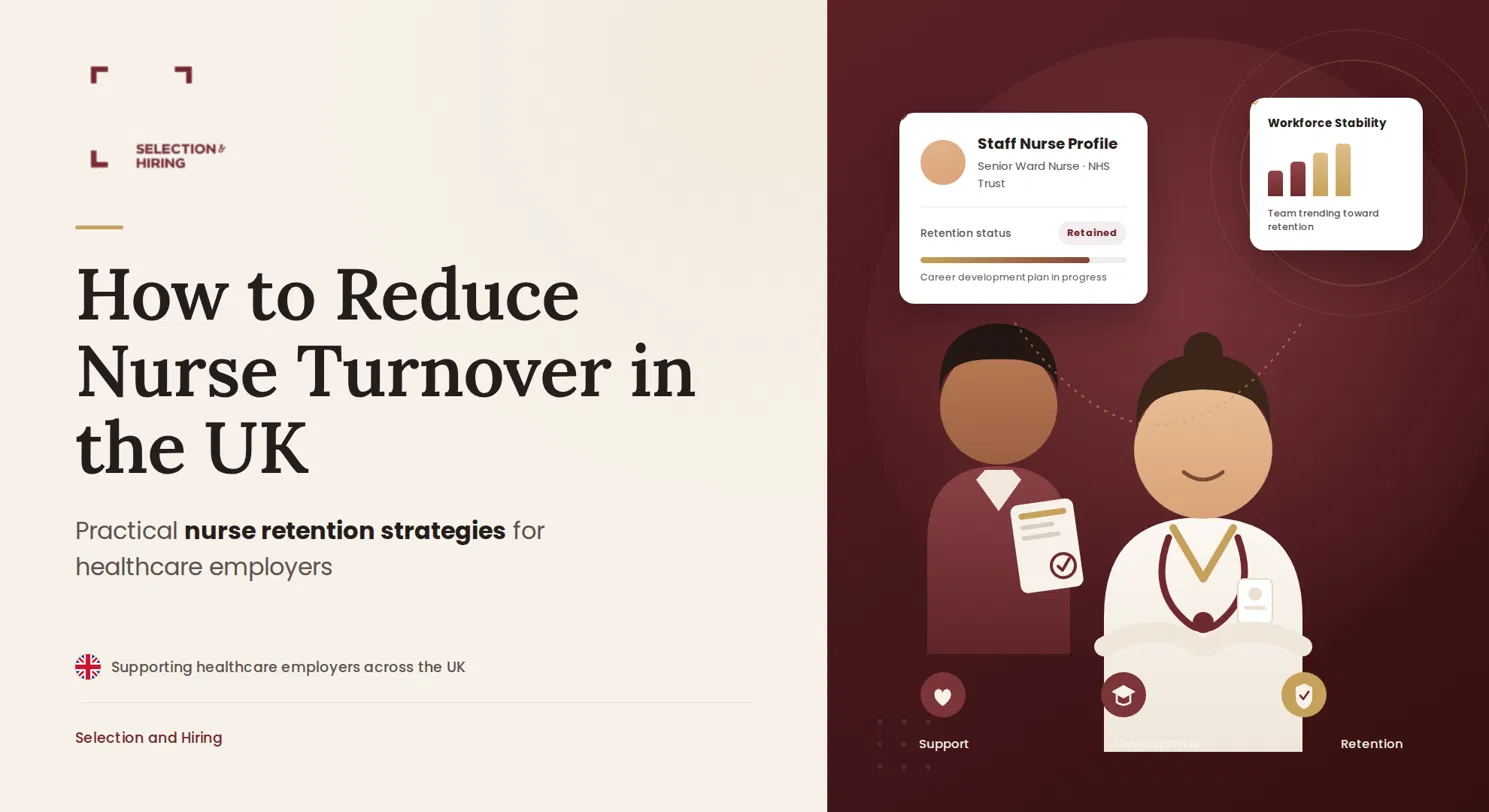

Keeping experienced nurses is becoming just as important as recruiting new ones. When a nurse leaves, healthcare organisations do not simply lose an employee. They can also lose valuable clinical experience, team knowledge and continuity of patient care.
For healthcare employers, reducing staff turnover therefore needs to be part of a wider workforce strategy. Offering competitive employment conditions matters, but retention also depends on workload, management, career development, workplace culture and whether nurses feel supported in their roles.
A strong nurse retention UK strategy should look beyond why people leave and focus on what encourages good nurses to stay.
Nurses are central to patient care across hospitals, community services, care settings and specialist healthcare environments.
When experienced staff leave regularly, organisations may have to spend more time and money recruiting replacements. Existing team members can also face increased workloads while vacancies are being filled, which can contribute to further dissatisfaction and turnover.
High turnover can affect:
This does not mean every organisation can eliminate turnover. People change careers, relocate, retire or move into different roles for many legitimate reasons.
The goal is to create an environment where nurses who want to stay have good reasons to build a long-term career with the organisation.
There is rarely one reason behind nurse turnover. A nurse may decide to leave because of workload, limited progression, management issues, working patterns or a lack of flexibility. In other cases, the problem may be a combination of several factors.
Healthcare employers should therefore avoid assuming that higher pay alone will solve retention challenges.
Some common factors include:
Consistently high workloads can leave nurses feeling exhausted and unable to provide the standard of care they want to deliver.
Nurses may look elsewhere if they cannot see opportunities to develop specialist skills, take on additional responsibilities or progress professionally.
The relationship between employees and their managers can have a major influence on job satisfaction. Nurses are more likely to feel valued when managers communicate clearly, listen to concerns and provide appropriate support.
Healthcare cannot always offer conventional working hours, but where operationally possible, flexibility around shifts and working arrangements can make a role more sustainable.
A supportive team environment can make a significant difference to whether employees see themselves staying with an organisation.
Improving nursing staff retention does not necessarily require one major initiative. Often, a series of practical improvements can have a stronger long-term impact.
The first step is understanding why employees are staying or considering leaving.
Regular conversations, staff surveys, exit interviews and one-to-one meetings can help identify recurring issues.
Importantly, collecting feedback is only useful if organisations act on what they learn.
If several nurses identify the same problem, it should be investigated rather than simply recorded.
Experienced nurses often want to continue learning.
Organisations can support retention by providing access to appropriate training, specialist development, mentoring and progression opportunities.
Career development does not always mean moving into management. A nurse may want to develop expertise in a particular clinical area while remaining focused on patient care.
Showing employees that their future can grow within the organisation can encourage longer-term commitment.
Retention becomes difficult when employees regularly feel overwhelmed.
Workforce planning should consider expected demand, staff availability, skill mix, annual leave, sickness absence and upcoming organisational changes.
This is where recruitment and retention need to work together.
If an organisation consistently operates with vacancies, simply asking existing nurses to work harder is unlikely to provide a sustainable solution.
Good managers can have a significant influence on the employee experience.
Nursing teams need leaders who are approachable, communicate expectations clearly and take concerns seriously.
Managers should also recognise good performance rather than only speaking to staff when something goes wrong.
A simple culture of appreciation can help employees feel that their contribution matters.
Healthcare roles naturally involve shift work, weekends and other demanding schedules.
However, employers can consider where flexibility is possible without affecting patient care.
Better rota planning, advance communication and reasonable consideration of individual circumstances can make working patterns easier to manage.
Flexibility will not look the same in every healthcare environment, but even small improvements can make a role more sustainable.
Retention starts before a nurse becomes fully established in the team.
A rushed or confusing onboarding experience can leave new employees feeling unsupported.
A structured introduction should help nurses understand their responsibilities, team structure, workplace procedures and available support.
Mentoring or buddy arrangements can also give new employees someone they can approach during their first weeks and months.
Nurses need to know that their work is valued.
Recognition can take different forms, including formal rewards, development opportunities, positive feedback or simply acknowledging excellent work.
While financial rewards have their place, recognition does not always need to involve additional pay.
A workplace where contributions are noticed and appreciated can help strengthen employee engagement.
It is easy to treat recruitment and retention as two separate problems.
In reality, they are closely connected.
If an organisation repeatedly hires nurses who are not suited to the role, location, working environment or expectations, turnover can remain high even when recruitment activity is strong.
This is why employers should consider reducing nurse turnover from the beginning of the hiring process.
Candidates should receive an honest picture of the role before accepting an offer.
That means being transparent about:
When expectations are realistic on both sides, there is a better chance of creating a lasting employment relationship.
Healthcare employers can also learn from their recruitment and workforce data.
Look at patterns such as:
These insights can help organisations move away from assumptions and focus on the areas where change is most needed.
For example, if a department regularly loses new nurses within their first year, the issue may relate to onboarding, expectations, management or workload rather than recruitment volume.
Recruitment is only one part of a successful workforce strategy, but getting the right people into the right roles can provide a stronger foundation for retention.
Selection and Hiring supports UK healthcare employers with recruitment requirements, helping organisations identify professionals whose experience and expectations are relevant to their vacancies.
A more targeted recruitment approach can help employers look beyond qualifications and consider the candidate’s experience, specialist background, availability and suitability for the working environment.
This is particularly valuable when organisations are recruiting for specialist nursing roles or positions that have historically been difficult to fill.
The objective should not simply be to fill a vacancy as quickly as possible. It should be to make a well-informed appointment that has the potential to work for both the employer and the candidate over the longer term.
If your organisation is reviewing its retention strategy, consider these questions:
Are nurses being listened to?
Do employees have a safe and practical way to raise concerns?
Is there a clear development path?
Can nurses see opportunities to learn and progress?
Are workloads manageable?
Does workforce planning reflect actual service demand?
Are managers supportive?
Do staff receive regular communication, feedback and recognition?
Are job expectations realistic?
Does the recruitment process accurately describe the role?
Is onboarding effective?
Do new nurses receive sufficient support when joining?
Do you understand why people leave?
Are exit interviews and workforce data being used to identify patterns?
Answering these questions can reveal where retention improvements are most needed.
Improving nurse retention UK healthcare employers can achieve is not about finding one solution that works for every organisation. Different healthcare environments have different pressures, and nurses have different career goals and personal circumstances. What employers can do is create workplaces where people feel supported, respected and able to develop. That means looking at the complete employee experience from recruitment and onboarding through to workload, management, development and recognition.
Recruitment also plays an important role. When employers are clear about what a position involves and take the time to find professionals who are genuinely suited to it, they can create stronger foundations for long-term workforce stability.
For organisations that need support with healthcare recruitment, Selection and Hiring can help employers connect with suitable professionals while taking a more targeted approach to their staffing requirements. Ultimately, successful retention is not just about keeping positions filled. It is about building healthcare teams where experienced professionals have good reasons to stay, develop and continue contributing to high-quality patient care.
Nurse retention refers to an organisation’s ability to keep qualified nursing professionals within its workforce over time. Effective retention strategies can help improve workforce stability and reduce unnecessary turnover.
Reasons can vary, but common factors may include workload, limited career development, management, working patterns, workplace culture and a lack of support.
Employers can focus on manageable workloads, career development, supportive leadership, effective onboarding, recognition, communication and practical working arrangements.
Yes. Recruiting candidates whose experience, expectations and preferences match the role can help create stronger long-term employment relationships.
Yes. Selection and Hiring provides recruitment support for UK healthcare employers seeking nursing and other healthcare professionals, including specialist staffing requirements.